 Vietnamese Culture and Tradition
 According to ancient documents, the conical hat of Vietnam first appeared in Vietnam around the 13 century, during the Tran Dynasty.
Read More »The Beauty of Vietnamese Conical Hat or Non La
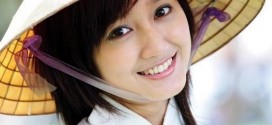
According to ancient documents, the conical hat of Vietnam first appeared in Vietnam around the 13 century, during the Tran Dynasty.
Read More »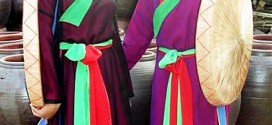
In Vietnam, there are 54 ethnic groups, each having unique and specific styles of clothing. Traits often include splendid colors, seemingly contradicting one another in each outfit: black and red, blue and red or blue and white.
Read More »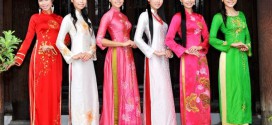
With the intention of changing the way people dress in order to eradicate ancient habits, the 18th century lords and mandarins in Hue created the Ao Dai.
Read More »
Sweep through Hue and the classic grace of women clad in Ao Dai will surely to make a lasting impression on you. But behind the beauty is a rich history, brimming with cultural significance.
Read More »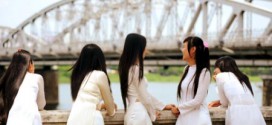
The traditional Ao Dai of Hue is so beautiful and romantic that it has become a topic for fashion designers to explore its beauty.
Read More »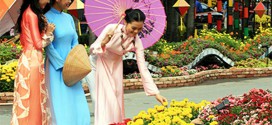
Most Vietnamese people wear new clothes to celebrate Tet, or the Lunar new year, in order to promote a fresh beginning to the year. Although Western-style outfits are more convenient for daily chores, the traditional tunic, or Ao Dai, reappears each Tet. These tunics add to the festival’s formal atmosphere.
Read More »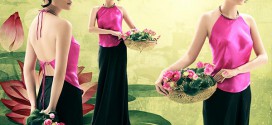
Images of graceful girls in national charming long dress have been a symbol of Vietnam. However, looking back the historic development of national dress, Vietnam not only has ao dai but also ao yem – the indispensable dress of ancient girls.
Read More »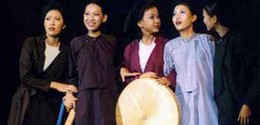
The costume of women in South Vietnam has gone through many stages of development, but still preserves its distinctive and unique imprints of the traditional culture.
Read More »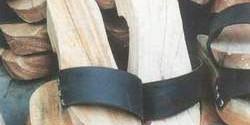
One popular legend tells of a pair of stone clogs passed down for generations by a family in Cao Bang, high in Vietnam's northern mountains
Read More »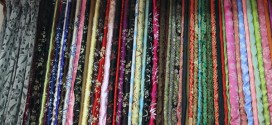
Diversified in colors, weave, and quality, various kinds of silk products all help highlight a distinctive feature of Vietnamese culture.
Read More »